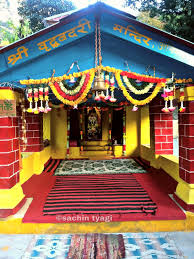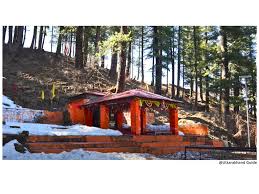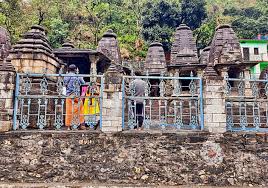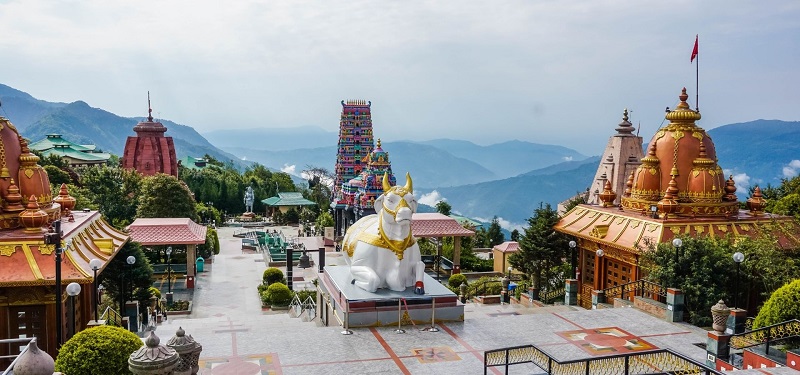


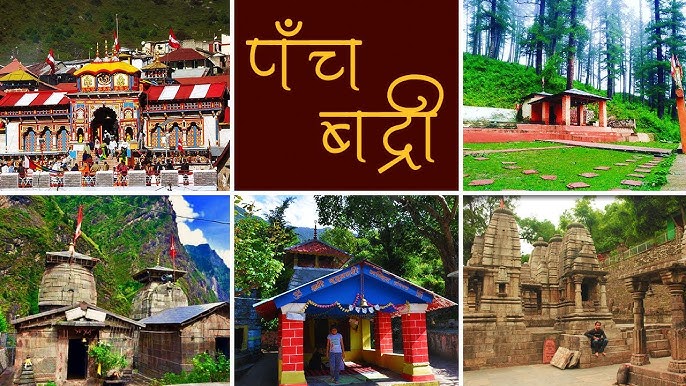
Badrinath ?
Adi Badri ?
Bhavishya Badri ?
Early morning departure from Haridwar or Rishikesh
En route visit Adi Badri (near Karnaprayag – 3 km off road)
Drive to Joshimath
Night Stay: Joshimath
Drive to Subhain Village (19 km from Joshimath)
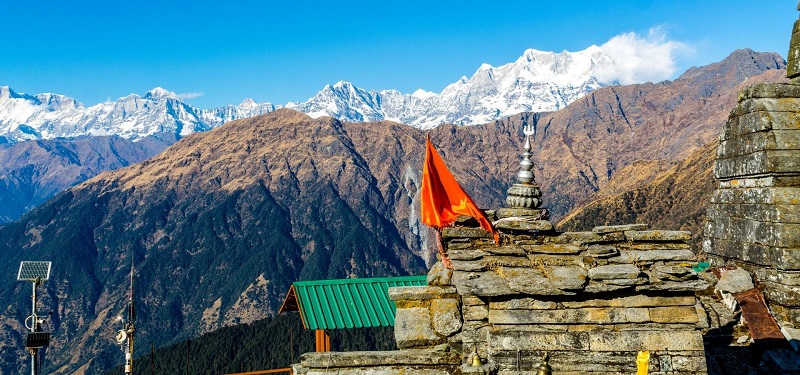
Trek 3 km to Bhavishya Badri (Future seat of Badrinath)
Visit Tapovan Hot Springs on return
Night Stay: Joshimath
Visit Vriddha Badri at Animath Village (on way to Tapovan)
Visit Yogdhyan Badri at Pandukeshwar (en route Badrinath)
Reach Badrinath Dham by evening
Attend evening Aarti and Darshan
Night Stay: Badrinath
Early morning Darshan of Shri Badrinath Ji
Visit nearby places:
Tapt Kund (hot spring)
Mana Village, Vyas Gufa, Ganesh Gufa, Bhim Pul, Saraswati River
Optional 1-day rest or return journey starts
Night Stay: Badrinath or Joshimath
Drive back through scenic routes
Visit Vishnuprayag, Nandaprayag, Karnaprayag, Rudraprayag (optional halts)
Night Stay: Rudraprayag
Return journey ends with holy memories of Panch Badri Yatra
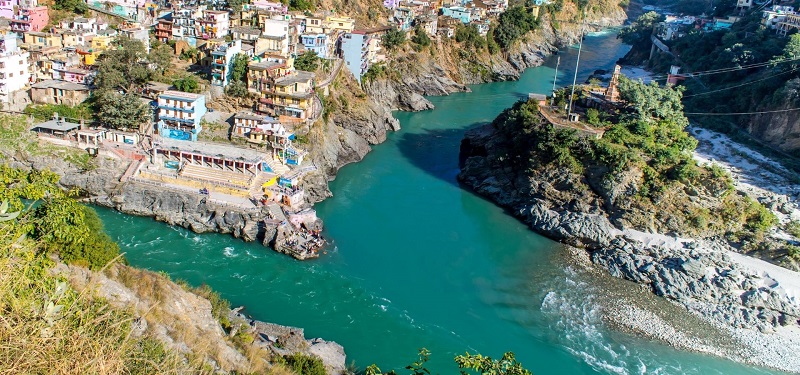
Optionally stop at Devprayag (Sangam of Bhagirathi and Alaknanda)
May to October (avoid heavy monsoon in July–August)
Panch Badri refers to the five ancient temples dedicated to Lord Vishnu (Badri Narayan), located in the Garhwal region of Uttarakhand. These temples mark different forms and manifestations of Vishnu and together create a sacred pilgrimage circuit known as the Panch Badri Yatra.
The name "Badri" comes from the Badri tree (wild berry) that once covered this region. According to legends, Lord Vishnu meditated here, and Goddess Lakshmi protected him from harsh weather by turning into a Badri tree — hence the name Badri Narayan.
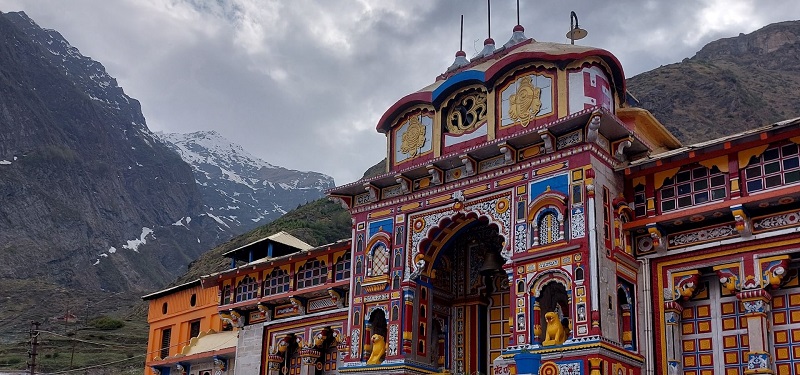
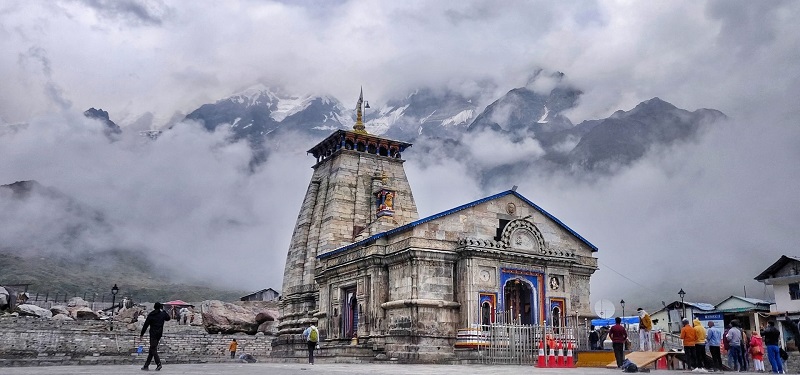
Location: Badrinath Town, Chamoli
Altitude: 3,133 meters
Significance: Most prominent among all Vishnu temples, part of Char Dham and Panch Badri.
History: Adi Shankaracharya established the idol here in the 8th century, found it in the Alaknanda river and placed it in the current temple.
Deity: Black stone Shaligram idol of Vishnu in meditative pose.
Location: Near Karnaprayag
Altitude: 1,900 meters
Significance: Believed to be the original seat of Lord Vishnu before Badrinath temple was established.
History: Complex of 16 ancient temples, built during Gupta period (5th–8th century).
Deity: Vishnu in Narayana form.
Location: Subhain village near Tapovan, 17 km from Joshimath
Altitude: 2,744 meters
Significance: It is believed that in the future (when Badrinath becomes inaccessible), Bhavishya Badri will become the main seat of Vishnu.
Legend: When evil spreads and Jay-Vijay (Vishnu's gatekeepers) block Badrinath, Vishnu will shift to this temple.
Deity: Vishnu in future incarnation form.
Location: Animath Village, 7 km from Joshimath
Altitude: 1,380 meters
Significance: Here, Lord Vishnu appeared as an old sage (Vriddha) to Narad Muni.
History: Considered the first place where the idol of Badrinath was worshipped before being moved to Badrinath.
Deity: Lord Vishnu in old sage form.
Location: Pandukeshwar, between Joshimath and Badrinath
Altitude: 1,920 meters
Significance: It is believed that King Pandu (father of Pandavas) meditated here and attained salvation.
History: The bronze idol here is in a yogic posture, hence called Yog-Dhyan (Meditative Vishnu).
Deity: Vishnu in meditative yogic pose.
Symbolizes different stages of Vishnu’s divine existence: past (Vriddha), present (Badrinath), future (Bhavishya), meditation (Yogdhyan), and origin (Adi).
Performing Panch Badri Yatra brings moksha (liberation) and Lord Vishnu’s eternal blessings.
Best time to visit: May to October